What is the Average Lifespan of a Commercial Dump Truck? (And How to Maximize Your ROI)
For B2B fleet managers and construction procurement officers, purchasing a commercial dump truck is a massive capital expenditure. To secure a high Return on Investment (ROI), the ultimate question always comes down to durability: What is the average lifespan of a commercial dump truck, and how can you extend it? In 2026, with rising asset costs and stricter compliance standards, maximizing the service life of your vocational vehicles is more critical than ever.
Understanding the Commercial Dump Truck Lifespan: The Baseline Numbers
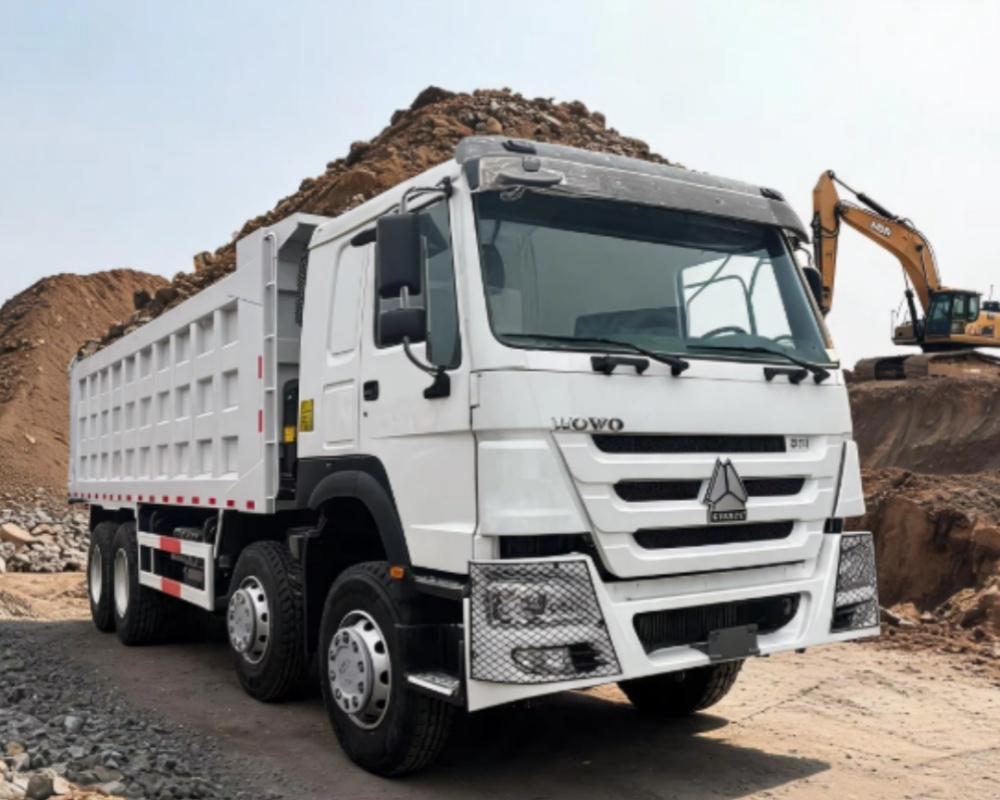
Generally, a premium commercial dump truck has an average lifespan of 10 to 15 years, or roughly 300,000 to 500,000 miles. However, in vocational industries, measuring lifespan purely by mileage can be deceptive.
Class 7 vs. Class 8 Dump Trucks: Mileage vs. Operating Hours
1. Class 7 Dump Trucks (Medium-Duty): Often log more road miles but face less extreme stress. They typically last around 300,000 miles before requiring a major powertrain overhaul.
2. Class 8 Dump Trucks (Heavy-Duty): These trucks operate under severe conditions. For a heavy-duty Class 8 Dump Truck [
Key Factors That Cut Your Dump Truck Lifespan Short
To extend your vehicle's lifecycle, you must first understand the primary pain points that accelerate depreciation and mechanical failure.
Severe Payload Stress and Frame Fatigue
Consistently pushing a vehicle to its maximum payload capacity causes micro-fractures in the chassis rail. In heavy-duty mining or infrastructure projects, off-road twisting forces put immense stress on the suspension and axles, leading to premature structural failure.
Neglected Hydraulic Systems and Vocational Wear
The dump body’s hydraulic hoist is the heart of vocational operations. Contaminated hydraulic fluid, worn seals, and damaged cylinders not only decrease operational efficiency but can also cause catastrophic frame twists during dumping cycles.
Industry Solutions: 4 Actionable Steps to Extend Your Fleet’s Service Life
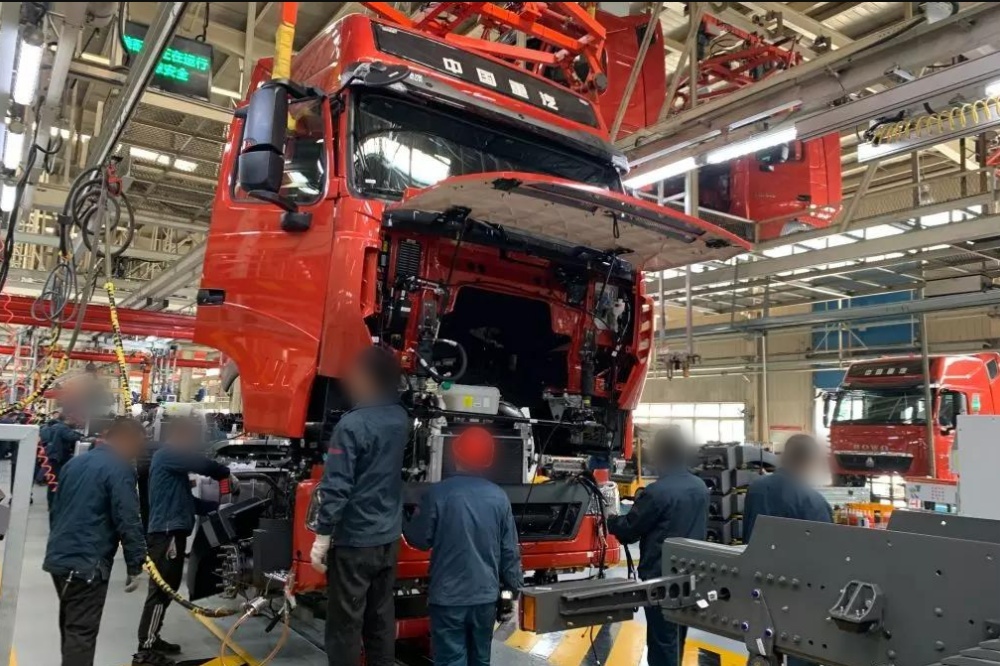
1. Implement Predictive Maintenance with Telematics
In 2026, relying on reactive maintenance is an outdated strategy. Integrating advanced telematics allows fleet managers to monitor real-time engine load, fluid temperatures, and fault codes. Catching a minor issue in a Mining Dump Truck [
2. Adhere Strictly to Vocational Payload and Axle Limits
Overloading speeds up component wear exponentially. Ensure your operators understand the specific density of materials being hauled (e.g., wet sand vs. dry gravel) to avoid exceeding legal axle weight limits and overloading the vehicle's structural frame.
3. Prioritize Hydraulic System and Wet Kit Care
Establish a rigid schedule for hydraulic fluid analysis and filtration. Regularly inspect the wet kit, pump, and valve seals. Keeping the hydraulic system pristine prevents pressure drops, ensures smooth tipping cycles, and safeguards the hoist mechanics.
4. Partner with Premium OEM Component Suppliers
When replacing high-wear parts—such as brake linings, suspension bushings, and heavy-duty dump liners—always source from verified OEM or tier-1 suppliers. High-quality components ensure compliance with environmental and Emission Standards, while guaranteeing long-term mechanical reliability.
FAQ
Q1: How often should the hydraulic fluid in a commercial dump truck be changed?
Answer: Generally, hydraulic fluid should be replaced every 1,000 to 2,000 operating hours, or at least once a year. However, if operating in highly dusty environments like mines, fluid analysis should be conducted every 500 hours.
Q2: Does excessive idling impact the lifespan of a dump truck?
Answer: Yes, excessive idling causes carbon buildup in the engine and exhaust aftertreatment systems, accelerating wear on internal components. One hour of idling is often equivalent to roughly 30 miles of driving stress.
Q3: What are the signs of structural frame fatigue in a commercial dump truck?
Answer: Key indicators include visible hairline cracks near stress joints, flaking paint or rust bubbling along the chassis rails, and unusual cabin or body alignment shifts during dumping.
Q4: How do modern 2026 emission regulations affect dump truck longevity?
Answer: Stricter emission standards require complex aftertreatment systems (DPF/SCR). Failure to maintain these systems leads to high exhaust backpressure, which can significantly decrease overall engine lifespan and fuel efficiency.
Q5: Is it better to rebuild or replace an aging dump truck engine?
Answer: If the truck’s structural frame, suspension, and dump body remain in excellent condition, an engine rebuild can offer a significantly higher ROI compared to the massive capital investment required for a full vehicle replacement.
Conclusion
In conclusion, while the baseline commercial dump truck lifespan sits between 10 to 15 years, your fleet management practices dictate the reality. By leveraging telematics, controlling payload stress, and proactively maintaining hydraulic integrity, you can successfully extend service life, minimize downtime, and extract maximum market value from your vocational automotive investments.