Choosing the right flatbed semi trailer is a critical decision that directly impacts your logistics fleet's operational efficiency, compliance, and overall ROI. In cross-border transport and heavy-duty logistics, selecting between a
Understanding the Technical Specifications of Each Flatbed Semi Trailer
Before diving into applications, fleet managers must look closely at the core engineering and structural durability differences.
1. The Standard 3 Axles Flatbed Semi Trailer
The 3 axles configuration is the global workhorse of standard logistics. It features a triple-axle suspension system designed to distribute weight evenly across a standard dual-tire layout (12 tires in total).
Average Tare Weight: ~6.5 to 7.2 Tons
Legal Payload Capacity: Up to 40 Tons (depending on local highway regulations)
Best For: Standard 20ft/40ft ISO container shipping, palletized building materials, and general cargo.
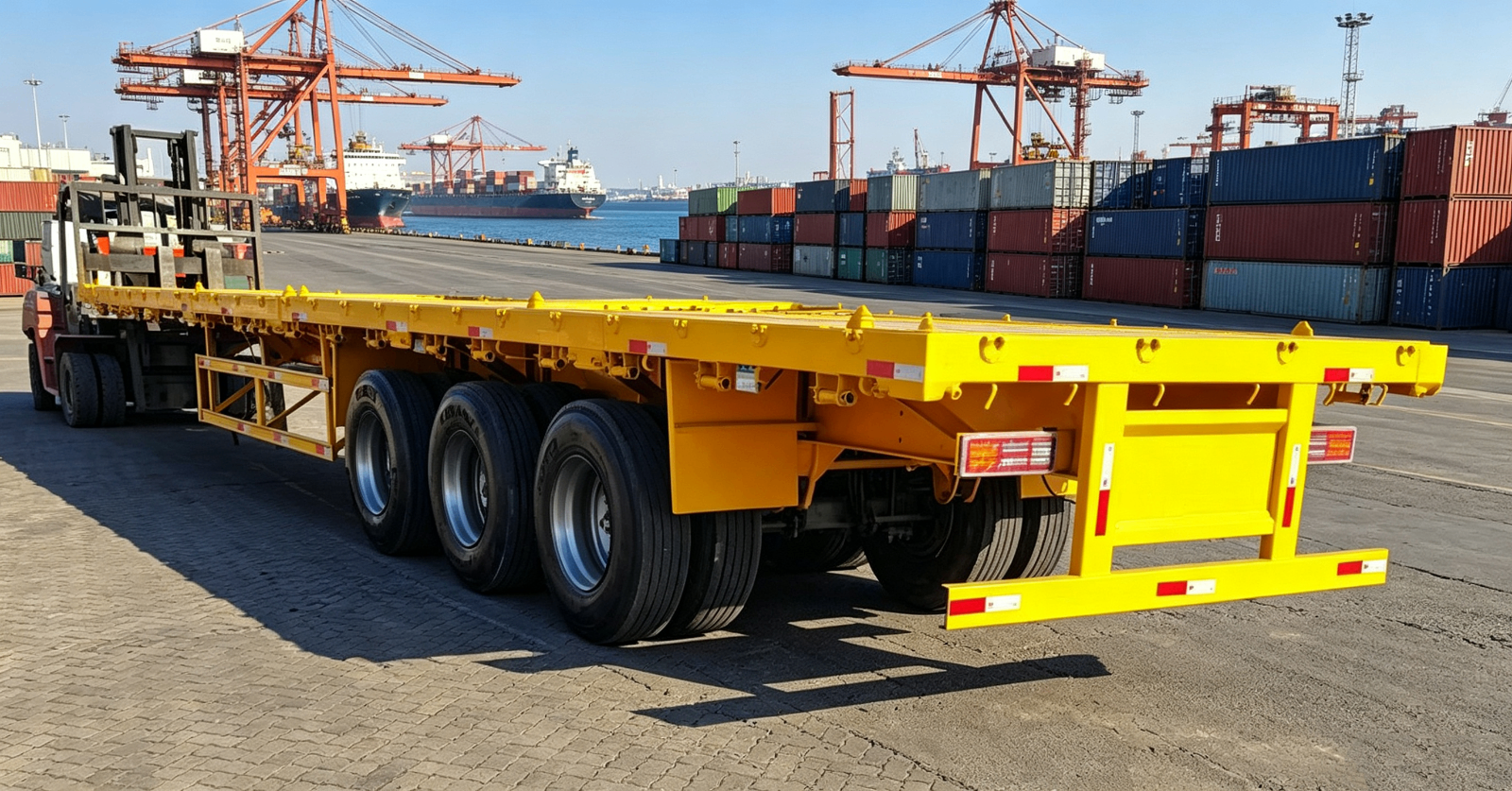
2. The Heavy-Duty 4 Axles Flatbed Semi Trailer
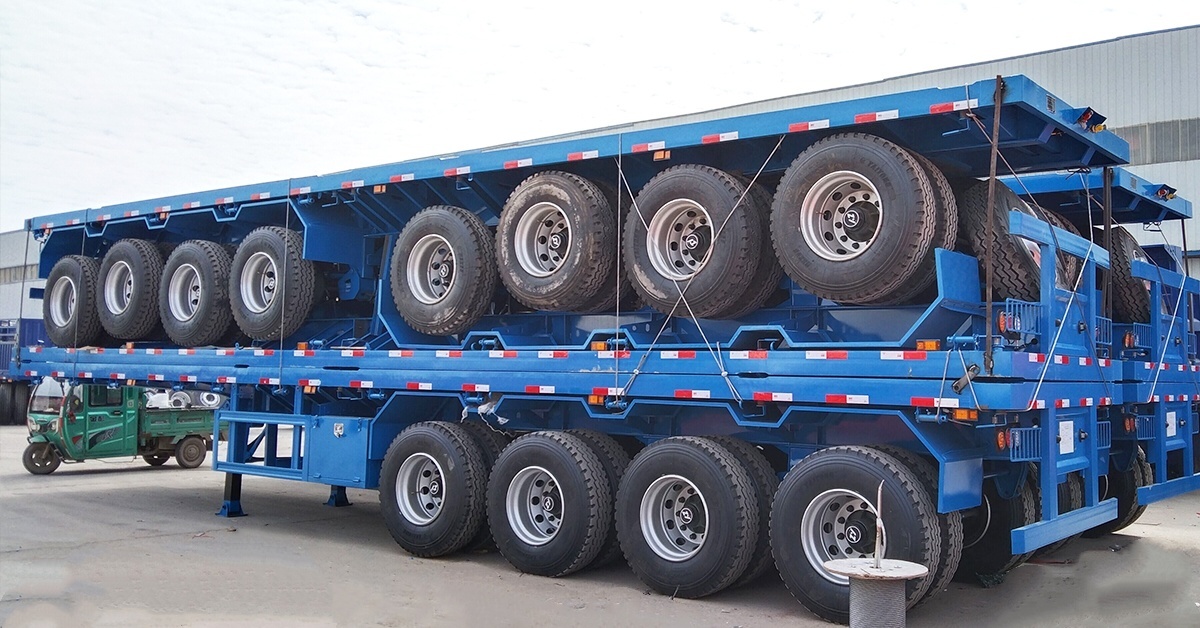
A 4 axles setup adds an extra axle to the rear suspension. This configuration often includes either four fixed axles or three fixed axles combined with one front lift axle to reduce tire wear when running empty.
Average Tare Weight: ~7.8 to 8.5 Tons
Legal Payload Capacity: Up to 50–55 Tons (significantly reducing the risk of overloading penalties)
Best For: Heavy mining equipment, massive steel coils, oversized concrete blocks, and cross-border transport with strict axle-load limits.
Key Comparisons: Weight Distribution, Durability, and Fleet ROI
| Comparative Metric | 3 Axles Flatbed Semi Trailer | 4 Axles Flatbed Semi Trailer |
|---|---|---|
Chassis Stress & Durability | High flexibility, standard lifespan | Reinforced main beam, extreme durability |
Fuel Efficiency (Fuel ROI) | Lower rolling resistance, saves fuel | Slightly higher fuel consumption due to weight |
Tire Maintenance Costs | Lower (12 tires to maintain) | Higher (16 tires, unless lift axle is used) |
Initial Purchase Price | Budget-friendly factory price | Premium price due to extra axle/materials |
Payload Optimization vs. Operational Costs
From an economic standpoint, the choice comes down to your primary cargo density. A
Solving Industry Pain Points: Overloading Regulations & Severe Terrains
Modern logistics fleets face strict Emission Standards and rigorous highway weight checkpoints.
The Overloading Dilemma: Passing highway scales with a 3-axle trailer loaded past legal limits can cost thousands of dollars in fines. Moving to a 4-axle model redistributes the gross vehicle weight, keeping your fleet legally compliant while maximizing capacity.
Severe Road Durability: In emerging markets or mining application areas with underdeveloped roads, the extra axle on a 4-axle trailer provides vastly superior stability and reduces the risk of axle breakage.
Conclusion: Making the Right Investment for Your Fleet
In summary, if your logistics business centers around standard maritime containers and retail cargo, the
Are you ready to optimize your logistics fleet today?
FAQ
Q1: What is the maximum legal load capacity for a 3 axle flatbed trailer?
A1: Generally, a 3 axle flatbed semi trailer can legally carry up to 40 tons of payload, depending on the gross vehicle weight regulations of your country.
Q2: Can a 4 axle flatbed trailer save on tire wear?
A2: Yes, if it is equipped with a front lift axle. Fleet managers can lift the extra axle when the trailer runs empty, significantly reducing tire friction and saving fuel.
Q3: What kind of steel is used in high-quality flatbed semi trailers?
A3: Premium manufacturers like Chengda use Q345 or high-tensile carbon steel for the main beams to ensure ultimate structural durability and resist deformation.
Q4: Is a 4 axle flatbed harder to maneuver than a 3 axle trailer?
A4: A 4 axle trailer has a slightly larger turning radius and higher rolling resistance, making it more suited for long-distance highways than tight urban deliveries.
Q5: How do I choose between a 3 axle and 4 axle flatbed semi trailer for export?
A5: Review the axle-load limits of your destination country. If the destination has strict weight limits but you need to carry heavy loads, choose the 4-axle model.